Why "economic leakage" is the question that should keep tourism ministers up at night
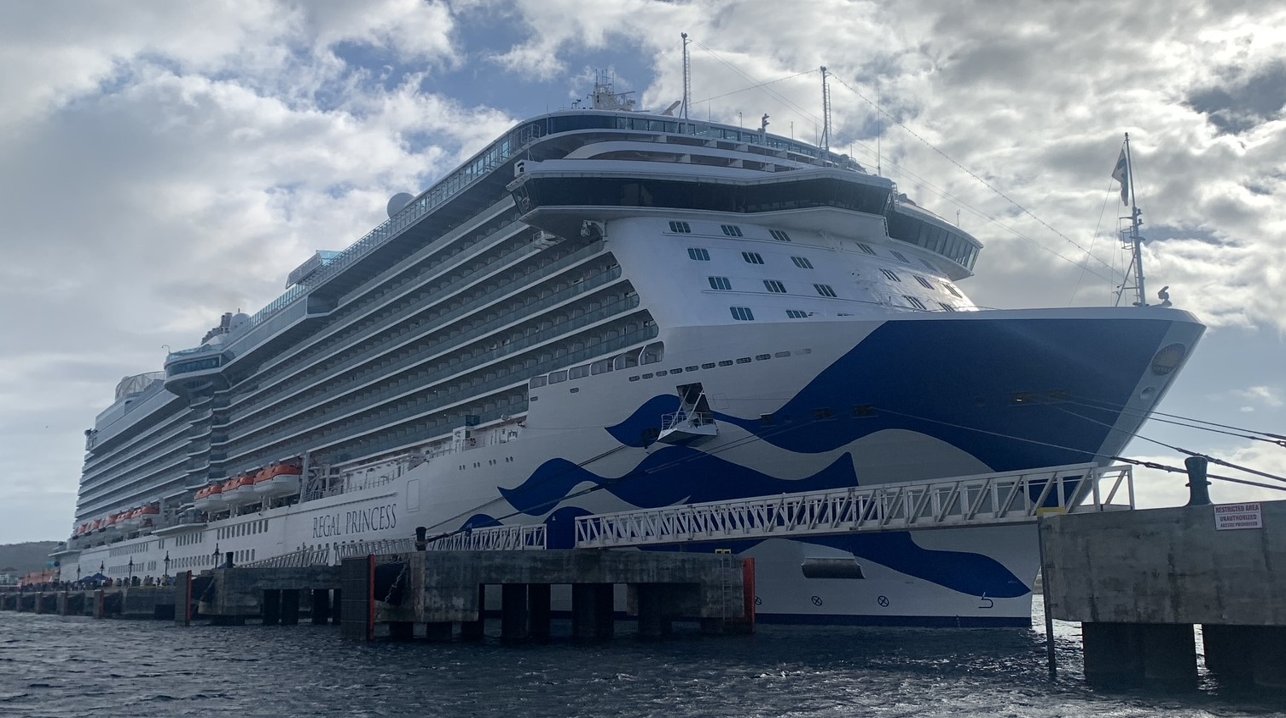
When a cruise ship the size of a small town docks for the day, the headline number — thousands of visitors ashore — feels like a windfall. But the number that actually matters is the one nobody prints: of every dollar those visitors spend, how much stays in the country, and how much sails away when the ship does?
This is the problem of economic leakage, and for Small Island Developing States it is not an accounting footnote — it is the difference between tourism that builds a nation and tourism that merely passes through it. When the tour operator, the excursion, the branded merchandise, and even the bottled water are foreign-owned, the port economy captures a thin slice of a thick pie.
The heritage angle is where it gets interesting. Locally-owned cultural experiences — a Garifuna drumming workshop, a guided walk through a historic town, a meal cooked from a grandmother's recipe — are among the few tourism products that are, by definition, impossible to import. Culture is the one asset a destination cannot leak. That is precisely why heritage-led development is not a soft, feel-good add-on to the tourism economy. It may be the most hard-nosed strategy a small island has for keeping its own money at home.
This is the thread running through my current research, and I'll be returning to it here in the months ahead — with cases, numbers, and the occasional argument.